Direct manufacturer, Ahmedabad plant
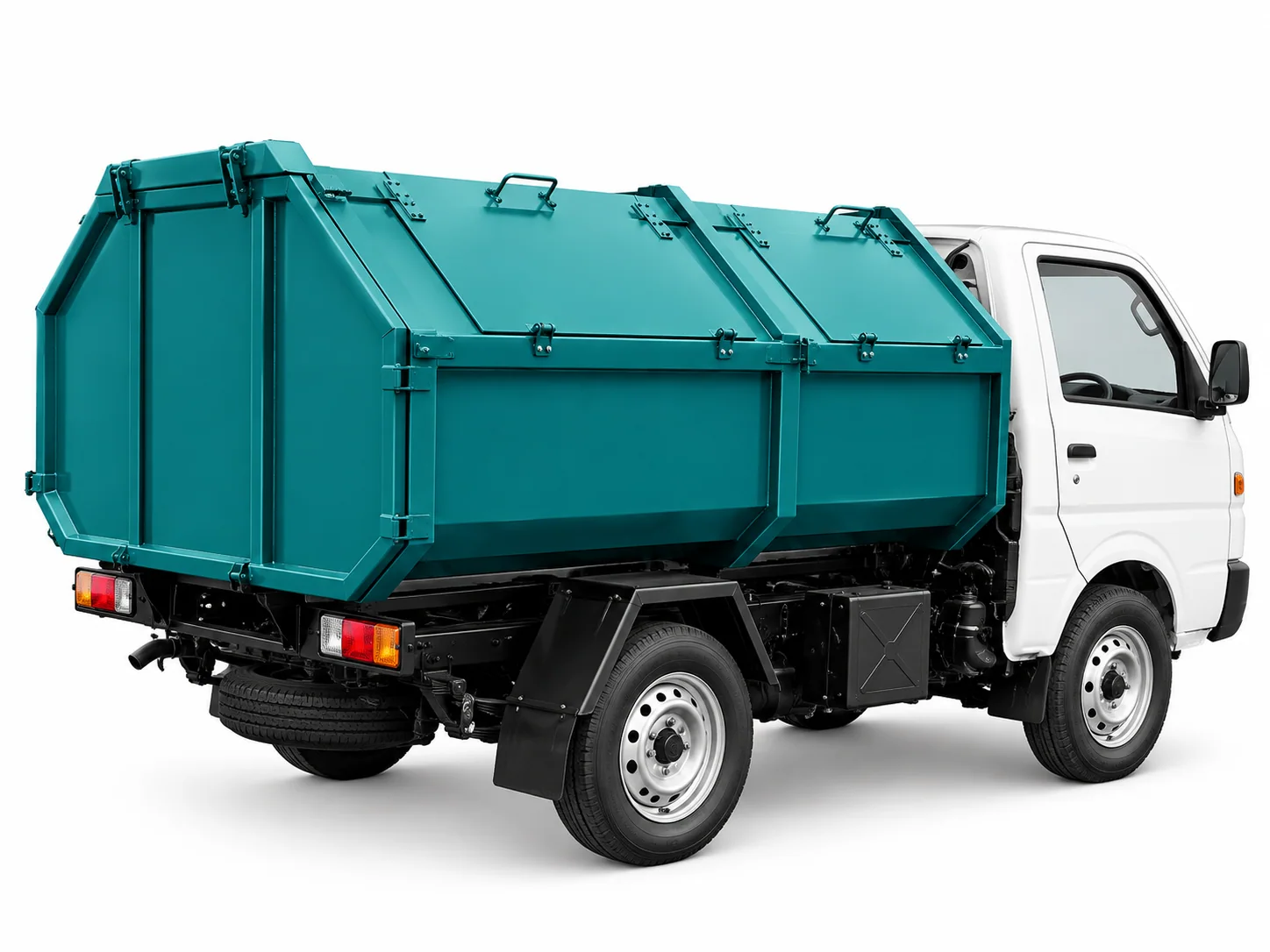
Key specifications
Typical configuration. Final specifications are confirmed in your quotation.
- Chassis
Tata Ace / 407, Mahindra Bolero / Furio, Eicher
Custom tipper body mounted on a commercial chassis
- Tipping mechanism
Heavy-duty electro-hydraulic cylinder
Rear or side tipping with fail-safe flow valving
- Body
High-tensile sheet steel
Leak-proof welding, partition options available
- Tender standards
Swachh Bharat and Municipal Solid Waste (MSW)
Door-to-door collection and transfer station duty
Hydraulic Garbage Tipper
Empire Enviro Tech offers Hydraulic Garbage Tippers designed for efficient collection, transportation, and unloading of municipal solid waste. These vehicles use hydraulic lifting mechanisms to raise and tip waste containers or collection bodies, helping sanitation teams unload collected waste with less manual effort.
Highlights
- Hydraulic Lifting Mechanism
- Efficient Waste Unloading
- Reduced Manual Handling
- Robust Construction
Prefer to call? +91 92745 11746Ahmedabad, Gujarat
Why tenders and municipalities buy direct
- Direct factory supply. In-house fabrication, hydraulic assembly and testing at our Ahmedabad plant.
- Tender specification matching. G.A. drawings, compliance documents and custom chassis integration.
- Pan-India commissioning. On-site testing, operator training and spare parts support.
Product overview
Efficient waste transportation is essential for municipal sanitation, commercial waste management, and urban cleanliness. Manual unloading can consume time, require additional labour, and create challenging working conditions. Hydraulic Garbage Tippers help simplify unloading operations by using hydraulic power to lift and tilt the designated container or body.
Empire Enviro Tech provides practical waste management equipment solutions for municipal authorities, local bodies, sanitation contractors, industrial facilities, and waste collection service providers.
Depending on model, Hydraulic Garbage Tippers may feature hydraulic cylinders, lifting mechanisms, tipping bodies, control systems, and suitable vehicle chassis. These configurations support waste handling operations across residential areas, commercial locations, markets, and municipal collection routes.
Vehicle capacity, lifting arrangement, tipping angle, hydraulic system specifications, and chassis configuration vary by model. Selection depends on waste volume, container dimensions, operating conditions, and intended application.
Key features of the Hydraulic Garbage Tipper
How the machine is built and what each part does on site.
Hydraulic Lifting Mechanism
Uses hydraulic power to raise and tilt the designated garbage body or container for controlled unloading.
Efficient Waste Unloading
Helps discharge collected waste into designated transfer points, processing facilities, or authorised disposal areas.
Reduced Manual Handling
Mechanised tipping reduces the need for workers to manually unload large quantities of collected waste.
Robust Construction
Suitable configurations are designed to withstand routine waste collection and transportation operations.
Vehicle-Based Mobility
Allows waste to be transported between collection locations and designated unloading facilities.
Operational Convenience
Hydraulic controls support lifting and lowering operations according to equipment design.
Multiple Configuration Options
Vehicle chassis, body design, payload capacity, and tipping arrangements may vary according to operational requirements.
Municipal Waste Management Support
Suitable for sanitation departments, local authorities, and waste management contractors.
Maintenance Accessibility
Regular inspection of hydraulic components, hoses, cylinders, and mechanical parts helps maintain reliable operation.
How the Hydraulic Garbage Tipper works
The typical sequence on site, from setup to discharge.
Step 1: Site inspection and access planning
Hydraulic Garbage Tippers use a hydraulic system to lift and tilt the designated container or vehicle body during unloading.
Step 2: Vehicle positioning and PTO activation
First, the vehicle transports collected waste to an appropriate unloading location. The operator positions the vehicle on stable ground and ensures sufficient clearance around the tipping area.
Step 3: Operation and waste or silt processing
After applying the required safety procedures, the operator activates the hydraulic control system. Hydraulic fluid under pressure operates the lifting cylinder or mechanism, raising the designated body or container.
Step 4: Safe discharge and fleet turnaround
As the body tilts, collected waste slides or discharges into the receiving area, depending on body design and waste characteristics. Once unloading is complete, the operator lowers the body or container using the hydraulic controls.
Step 5: Stage 5
Before moving the vehicle, the operator confirms that the lifting mechanism has returned to its secured transport position. Regular inspection of hydraulic fluid, cylinders, hoses, controls, and structural components helps maintain reliable operation.
Step 6: Stage 6
Safe operation requires trained personnel, adherence to rated payload limits, stable ground conditions, and compliance with manufacturer instructions. Personnel must remain clear of raised bodies and other suspended loads.
Where it is used
Suited to urban local bodies, industrial campuses and residential sectors.
Municipal Solid Waste Collection
Helps transport and unload collected municipal waste at designated facilities.
Residential Waste Management
Supports waste transportation from residential collection routes to transfer or processing locations.
Commercial Waste Collection
Suitable for handling permitted non-hazardous waste from shops, offices, commercial complexes, and other establishments.
Market Waste Transportation
Helps manage suitable waste collected from vegetable markets, retail markets, and commercial areas.
Industrial Waste Handling
Supports transportation of compatible non-hazardous industrial waste, subject to vehicle design and applicable regulations.
Construction and Site Waste
Suitable configurations may handle specified waste materials generated at approved sites, subject to payload and body limitations.
Waste Transfer Stations
Helps discharge collected waste into designated receiving areas or compatible processing systems.
Municipal Sanitation Projects
Supports organised waste collection, transportation, and disposal operations.
Waste Management Contractors
Provides practical equipment for contractors responsible for regular collection and unloading activities.
Use case 10
Hazardous, biomedical, and other regulated waste require suitable specialised equipment and handling procedures.
Benefits of the Hydraulic Garbage Tipper
What changes for your fleet and crews once it is in service.
Faster Unloading
Hydraulic lifting helps discharge collected waste more efficiently than manual unloading methods.
Reduced Labour Requirements
Mechanised tipping reduces physical effort during unloading operations.
Improved Operational Efficiency
Streamlines waste transportation and discharge at designated facilities.
Better Workplace Safety
Reduces direct manual handling of heavy waste loads when operated correctly.
Reliable Waste Transportation
Supports regular movement of collected waste from collection points to authorised facilities.
Versatile Applications
Suitable configurations can serve municipal, commercial, and selected industrial waste handling requirements.
Improved Productivity
Efficient unloading helps reduce delays during waste collection and transportation cycles.
Support for Cleaner Environments
Organised collection and timely unloading contribute to effective municipal sanitation.
Long-Term Operational Value
Routine servicing and proper hydraulic system maintenance help support equipment reliability.
Frequently asked questions
Technical and tender questions we hear most often.
What is a Hydraulic Garbage Tipper?
Hydraulic Garbage Tipper is waste handling equipment that uses hydraulic power to lift and tilt a designated container or vehicle body for unloading collected waste.
What is the main purpose of a Hydraulic Garbage Tipper?
Its primary purpose is to simplify waste unloading, reduce manual handling, and improve efficiency during waste transportation operations.
Where are Hydraulic Garbage Tippers used?
Common applications include municipal waste collection, residential sanitation, commercial waste management, market cleaning, and suitable industrial waste handling.
How does hydraulic tipping work?
A hydraulic pump and cylinder system generate lifting force, raising and tilting the designated body or container to discharge collected waste.
Can Hydraulic Garbage Tippers handle different waste types?
Yes, subject to vehicle design, payload limits, body configuration, and waste handling regulations. Hazardous or specialised waste may require dedicated equipment.
Who can purchase Hydraulic Garbage Tippers from Empire Enviro Tech?
Municipal authorities, sanitation departments, local bodies, waste management contractors, and suitable industrial operators can explore equipment offered by Empire Enviro Tech.
How do I select a suitable Hydraulic Garbage Tipper?
Consider payload capacity, body dimensions, hydraulic lifting arrangement, chassis type, tipping mechanism, operating conditions, and maintenance requirements. Confirm technical specifications with Empire Enviro Tech before selecting a model.
Request a quotation for the Hydraulic Garbage Tipper
Tell us your requirements. Our engineering team in Ahmedabad will review them and reply with the documents below.
What you will receive
- General arrangement drawings
- Chassis mounting feasibility
- Formal commercial quotation
Prefer to talk first?
More sanitation and municipal fleet equipment
View all products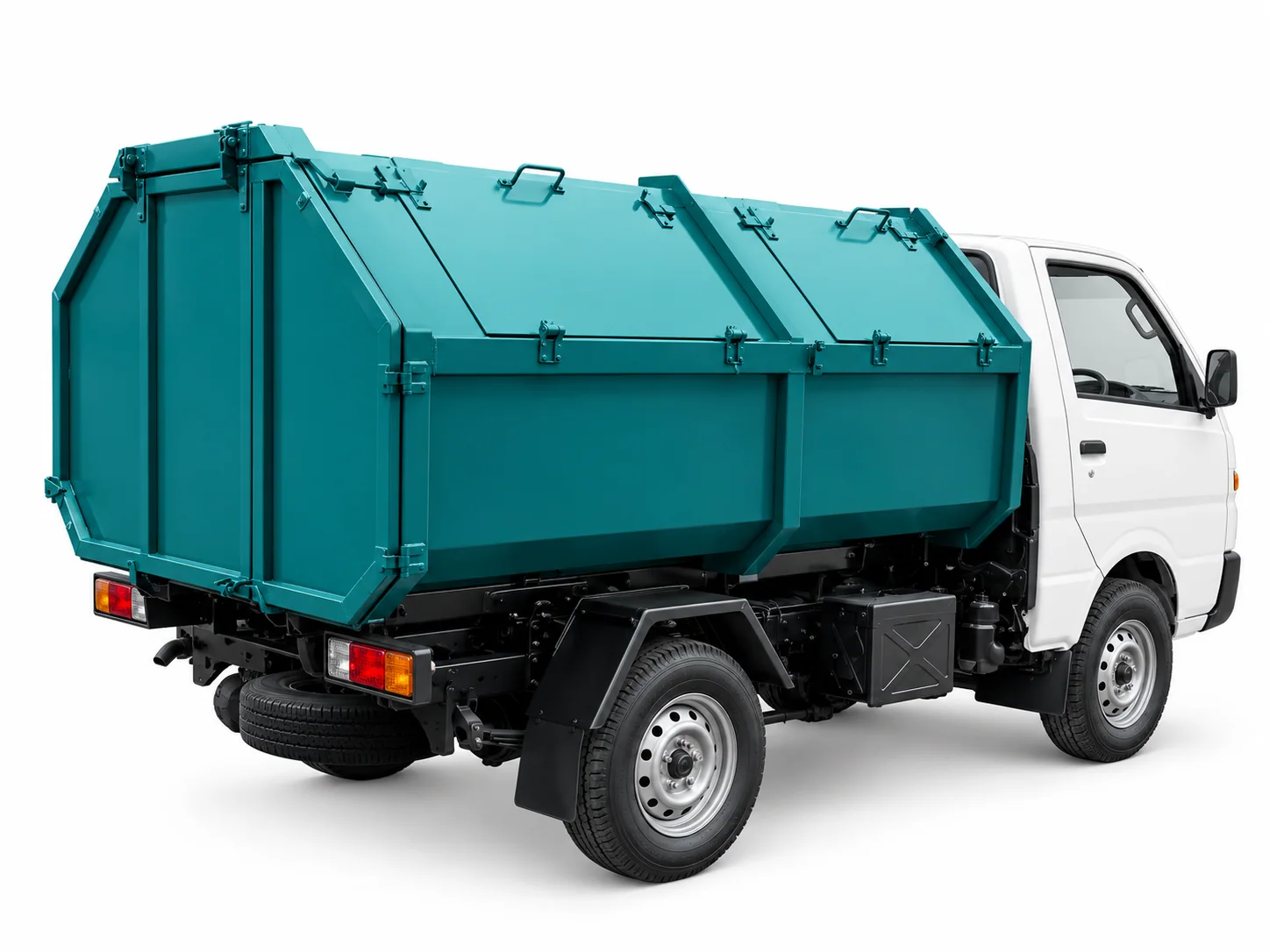
Door-to-Door Waste Collection Vehicle
Commercial, and other suitable municipal solid waste. These vehicles help sanitation teams collect waste directly from residential properties, shops, offices, and other designated collection points.
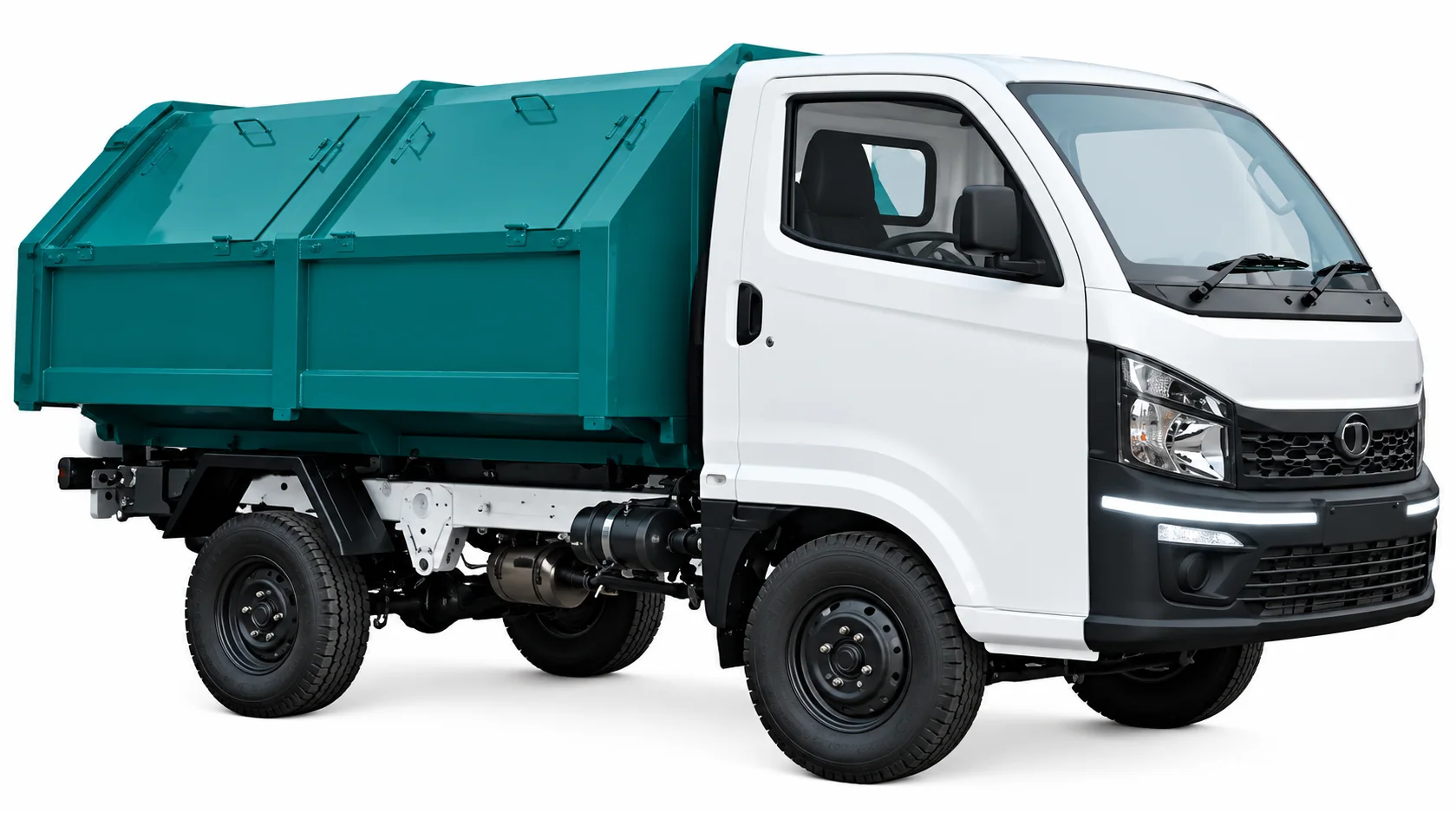
Partition Garbage Tipper
Transportation, and unloading of different categories of municipal solid waste. These vehicles feature partitioned compartments that help keep selected waste streams separate during collection and transportation, supporting better waste segregation and handling practices.
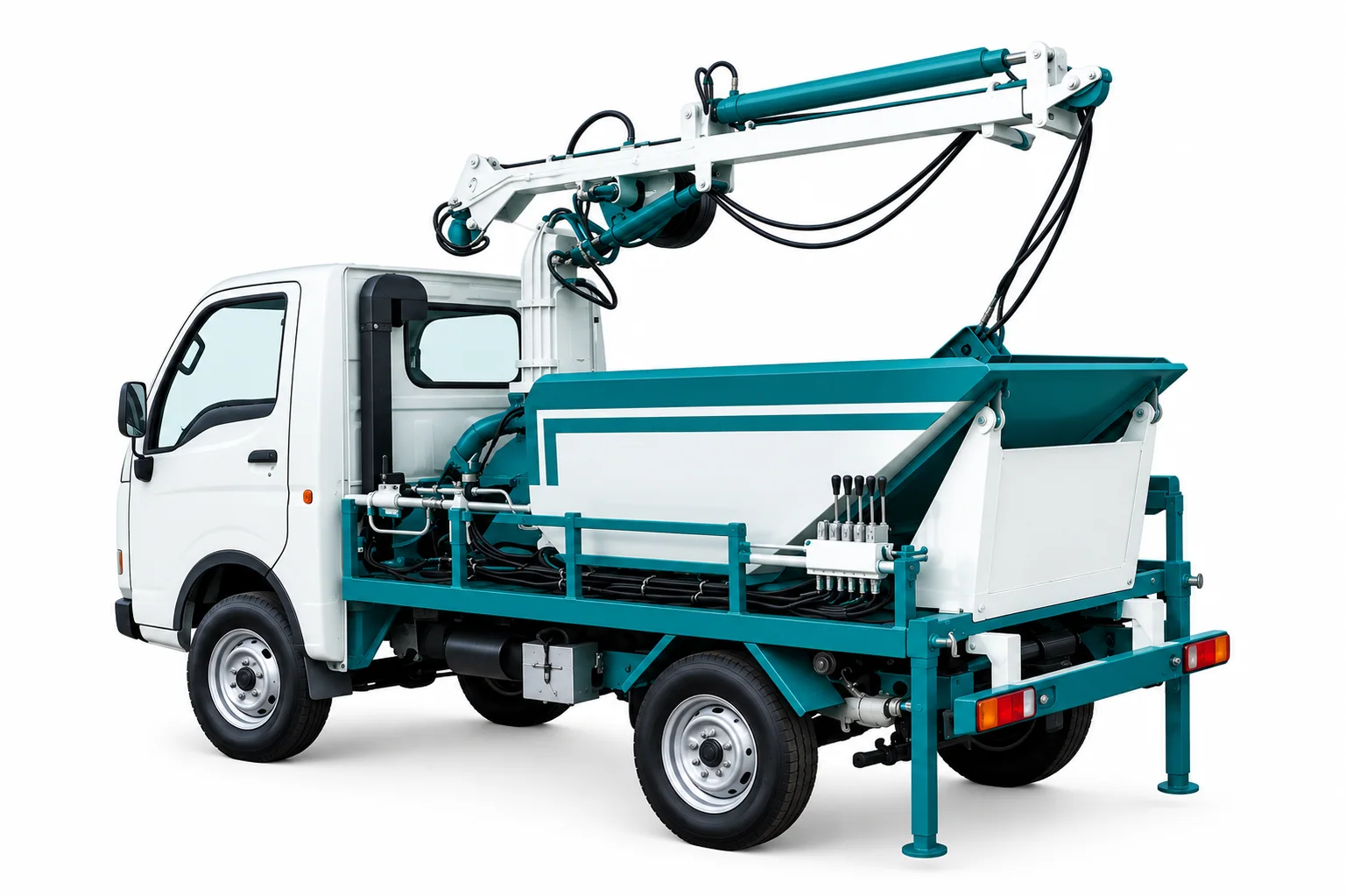
Desilting Machine
Sludge, mud, and accumulated sediment from drains, sewer lines, manholes, and other drainage systems. These machines help municipalities, sanitation departments, contractors, and industrial maintenance teams maintain cleaner drainage infrastructure and improve routine desilting operations.


